A challenge to be measured in both scale and consequence
Bangladesh's textile, apparel and leather industry is one of the country's most important economic drivers. Supporting millions of livelihoods, it connects Bangladesh to global markets and plays a central role in national exports. Its scale, however, can also give the sector a significant environmental footprint. Hazardous chemicals and unsustainably managed wastewater can place pressure on rivers, ecosystems and nearby communities, while facilities face growing expectations from regulators, brands, financial institutions and civil society.
The challenge is not simply to introduce another set of requirements. Many facilities operate in a crowded landscape of many standards, audits and customer expectations, and because of that, their starting points differ considerably. Some have mature environmental systems, others have limited experience with recognised chemical-management tools. Lasting progress, therefore, depends on translating expectations into workable practice, building internal expertise and demonstrating that better environmental performance can also support resilience and market access.
Why Bangladesh and why this sector?
Bangladesh offers an opportunity for impact at a scale few other manufacturing markets can match. Improvements across its textile, apparel and leather supply chains would reduce local pollution risks while influencing purchasing relationships and production practices globally. The country's great concentration of facilities, industry associations, technical expertise and international brand engagement also creates ideal conditions for collective action rather than isolated improvements .
The focus on textiles, apparel and leather reflects both economic importance and environmental need. These industries rely on complex chemical processes and generate wastewater that must be carefully managed. At the same time, many of them are under increasing pressure to provide credible evidence of safer production. Supporting facilities to improve chemical inputs, wastewater performance and staff capability can therefore connect environmental protection with commercial competitiveness.
Turning shared ambition into a practical programme
This is why Agence Française de Développement (AFD) and the ZDHC Foundation came together to launch “Protecting biodiversity and water resources through sustainable chemical management and wastewater pollution reduction in the textile, apparel and leather industry in Bangladesh”. The three-year initiative, running from 2026 to 2029, is co-funded by AFD through the French Trade Capacity Building Programme (PRCC) and supported by ZDHC's technical expertise, tools and resources. On the ground, it is being implemented by the ECOPSIS-A&J consortium and supported by SGS Bangladesh, a ZDHC Approved Solution Provider.
The project also benefits from the engagement of key national stakeholders, including Bangladesh Bank, the Department of Environment (DoE), and leading industry associations such as the Bangladesh Garment Manufacturers and Exporters Association (BGMEA), Bangladesh Knitwear Manufacturers and Exporters Association (BKMEA), Bangladesh Textile Association (BTA), Footwear and Leather Goods Accessories Association (FLAXA), and Bangladesh Finished Leather, Leathergoods and Footwear Exporters' Association (BFLLFEA). Through the Project Advisory Committee, these stakeholders contribute industry knowledge, institutional perspectives and strategic guidance to support effective implementation and long-term impact.
The goal is to support at least 100 facilities across key industrial clusters. Participating sites will receive training, hands-on technical assistance and access to recognised ZDHC Roadmap to Zero tools. Activities address chemical inventory and performance, supplier-level improvement, wastewater testing and follow-up, environmental management, and the knowledge needed to operate these systems over time. The project also creates space for dialogue among facilities, industry associations, public institutions, brands and technical partners.
Its objectives are deliberately interconnected: raise awareness, build capacity, embed sustainable chemical-management practices, reduce wastewater-related risks, improve understanding of greenhouse-gas impacts, and help facilities respond to evolving market expectations. Progress will be tracked through a set of practical milestones, including onboarding, training completion, use and verification of ZDHC tools, wastewater assessments and corrective-action follow-up.
A phased route from mobilisation to measurable change, August 2026 - now
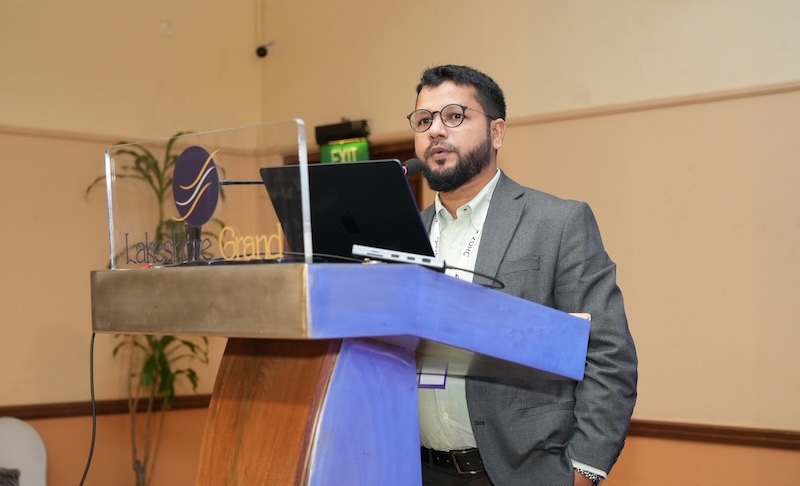
The first 2 months have focused on building the foundations for delivery: consulting stakeholders, refining facility selection and baseline approaches, and opening registration. The project launch event, in Dhaka, brought together over 100 representatives from industry, government, brands, development partners, academic institutions and technical organisations. Following the meeting, these representatives have supported circulating information and encouraging suitable factories to join.
October 2026 - December 2026
The next phase will move facilities through screening, baseline assessment, selection and onboarding until at least 100 facilities are onboarded.
Phase 3 will be focused on capacity building, deployment of ZDHC tools, wastewater testing and tailored technical assistance, which will then be followed by progress reviews and corrective actions where needed.
In phase 4, assessments will help show not only whether activities were completed, but whether facilities strengthened their systems and reduced environmental risks.
The wider lesson: durable change is built inside facilities
As this project is a pilot, its ambition goes beyond reaching a numerical target. Its real test is whether participating facilities can continue improving after direct support ends. That requires ownership by facility teams, evidence that decision-makers can use, and cooperation across the wider ecosystem.
Bangladesh’s textile, apparel and leather sector is often viewed through the lens of its challenges. But the sector also has the scale, expertise and drive to lead meaningful change. This initiative aims to build on those strengths and turn that potential into real progress.
By connecting global frameworks with local implementation, the project seeks to show how environmental action can move from fragmented compliance to lasting capability, protecting water resources and biodiversity while helping facilities prepare for the future of responsible production.
An invitation to participate
Registration for this project is open for textile, apparel and leather facilities in Bangladesh interested in joining the programme. Applicants should be willing to engage throughout the project, appoint relevant staff, participate in training and technical-assistance activities, use the applicable ZDHC tools, and support the collection of information needed to assess progress.
Applicants should understand that registration is the first step and does not guarantee selection. Facilities will be reviewed against the project’s eligibility and selection criteria, including location and sector, readiness to participate and the potential for the project to achieve meaningful impact in the selected factory.