In the textile industry, for scouring and de-oiling of synthetic fabrics, removal of spinning lubricants and processing oils is required before further finishing. Conventional continuous washing systems use large amounts of water, chemicals and energy. Lafer has conducted a study comparing closed-loop solvent-based washing to conventional washing followed by thermal drying. The objective was to compare the estimated operational carbon intensity of the two processes under clearly defined modelling assumptions, considering that the impact of the two processes is still under investigation and highly debated.
Why did Lafer conduct this comparative study?
Fabric preparation and washing are among the most resource-intensive stages in the production process. As a result, the textile industry faces increasing pressure to reduce its environmental footprint, particularly in terms of energy consumption, water use, and greenhouse gas emissions.
Conventional washing processes typically rely on large volumes of water combined with detergents and auxiliary chemicals. After washing, fabrics retain significant water and must undergo thermal drying, usually in stenter frames or cylinder dryers.
The drying phase is often the largest energy consumer, as water must be evaporated.
Therefore, there is a growing demand for technologies that reduce both water use and thermal energy. One such configuration is closed-loop solvent-based washing, where contaminants are removed using an organic solvent rather than water. By eliminating process water during washing, solvent-based systems will reduce the thermal demand associated with subsequent drying.
In advanced solvent-based systems, such as the Dissolva process, any contact water generated is internally recovered and treated within the system, preventing the discharge of contaminated water streams typically associated with conventional solvent-based cleaning processes.
Closed-loop solvent-based washing
The solvent-based system operates as a dry-to-dry continuous washing process using perchloroethylene (PCE), a powerful cleaning solvent that removes oils, lubricants, and finishing residues from greige fabrics.
The solvent is recovered through integrated distillation and purification units that capture and purify it for reuse, with up to 99% typically recovered under normal operating conditions.
Air from the process is purified using activated carbon filters in a closed-loop, while contaminants removed from the solvent are collected as sludge.
Heat is needed to evaporate and recover the solvent. However, PCE requires much less energy to evaporate than water, which affects the overall energy demand of the process.
The system operates in a closed-loop configuration designed to eliminate solvent discharge and environmental emissions.
Conventional Water-Based Washing with Thermal Drying
Conventional textile washing uses water, supported by surfactants and mechanical action.
Fabrics pass through washing compartments where water is sprayed or circulated to remove impurities. After washing, the fabric retains substantial water and is typically dried using thermal drying equipment, for example, stenter frames. This stage is energy-intensive due to the high latent heat required to evaporate water.
In addition to energy demand, this washing process consumes fresh water and generates wastewater streams containing detergents, chemicals, and extracted contaminants. Wastewater treatment and water supply, therefore, contribute additional environmental impacts.
Results
Lafer’s comparative study shows that the solvent-based closed-loop washing system has a significantly lower estimated operational carbon footprint than the conventional water-based washing process followed by thermal drying.
Under the modelling assumptions, the solvent-based closed-loop system produces about 0.240 kg CO₂e per kg of fabric processed, compared with 0.838 kg CO₂e for the conventional water-based system.
In both, the largest contributor to emissions is thermal energy use within the washing and drying stages, but the conventional washing process requires substantially more thermal energy to evaporate water during drying. While other lifecycle factors, such as solvent production, sludge disposal, surfactants, water supply, and wastewater treatment, contribute to overall emissions, their impact is relatively small compared with the energy required for drying.
______________________________________________________________________________________________________________________________________
About Lafer S.p.A.
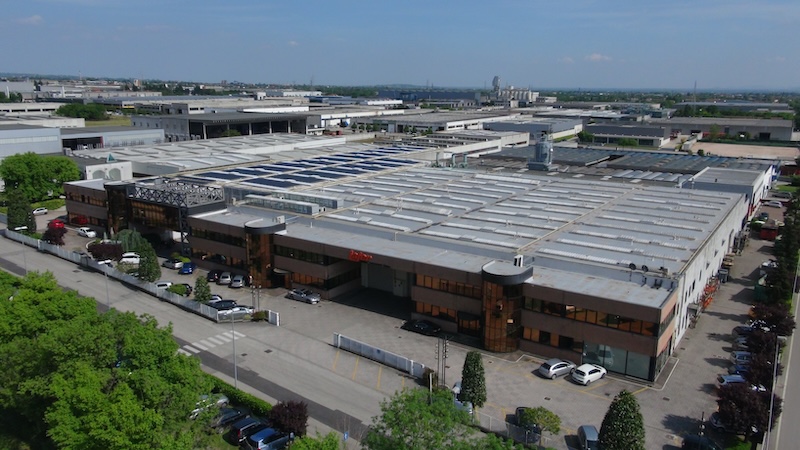
Lafer S.p.A. was the first machine maker to join the ZDHC Signatory Textile Machinery Manufacturer category. The company designs fabric finishing solutions, including closed-loop waterless de-oiling and liquid ammonia systems developed to reduce water use, waste, and emissions.
Lafer focuses on practical engineering solutions that support cleaner and more efficient textile processing.
www.laferspa.com