Progress in sustainable chemical management rarely happens in isolation. It happens when organisations are willing to share what they have tried, what has worked and just as importantly, what has been challenging along the way.
Across Europe, every day I see the dedication brands, suppliers, formulators and solution providers are putting into implementing the ZDHC Roadmap to Zero Programme. Their efforts take place in very different contexts, across different-sized organisations, different regulatory environments, and different levels of maturity, yet many of the underlying questions remain the same:
How do we move from intention to action? How do we turn requirements into practical implementation? And how do we know we are making real progress, not just ticking boxes?
This is where case studies, field experiences, and best practices from the ZDHC ecosystem play a critical role, as they are meant to showcase the real-life impact.
Turning ambition into something tangible
Sustainability strategies and technical frameworks are essential, but they can sometimes feel abstract, especially for those working on implementation at facility level. Every day experiences on the ground bridge that gap. They show what sustainability looks like in practice, in real organisations, under real constraints.
When a company shares its experience, it helps others see that progress is possible, not because the journey is easy, but because it is achievable. From ambition to tangible results. They translate guidance into action and demonstrate how tools, programmes and collaboration come together on the ground.
Just as importantly, it is possible to show that there is no single “perfect” pathway. Progress can start at different points, move at different speeds, and still deliver meaningful impact.
Learning faster together
One of the most powerful benefits of sharing case studies, field experiences and best practices is the acceleration of learning across the community. When experiences are shared openly, others do not have to start from zero. They can learn from what has already been tested, adapt approaches to their own context and avoid repeating the same challenges.
This collective learning is especially important at a time when expectations around transparency, data quality and impact are increasing rapidly. Many organisations are navigating new reporting requirements, evolving customer expectations and growing pressure to demonstrate measurable outcomes: it is crucial to collect insights into how others are responding and what lessons they have learned along the way.
In this sense, this is not about showcasing success stories in isolation; it is about building shared knowledge that strengthens the entire ecosystem.
Building trust through transparency
Sharing real-world experiences also requires openness. It means being transparent about what worked, what took longer than expected and where further improvement is still needed. This transparency builds trust, not only between individual organisations, but across the wider value chain.
When companies share their journeys honestly, it reinforces the idea that sustainable chemical management is a process of continuous improvement. It moves the conversation away from perfection and towards credibility, learning and progress.
This aligns closely with ZDHC’s approach: shifting from a compliance mindset to an evidence-based understanding of impact, in a way that policies and frameworks alone cannot.
Strengthening collaboration across the value chain
Another important aspect of real-world experiences is their ability to highlight collaboration. Many of the most meaningful improvements in chemical management and environmental performance happen when brands, suppliers, formulators and solution providers work together.
By sharing concrete examples of implementation, organisations shine a light on these collaborative efforts, showing how alignment, dialogue and shared responsibility can lead to better outcomes. This not only recognises the contributions of different stakeholders, but also encourages others to explore similar partnerships.
In a complex and interconnected value chain, no single actor can drive transformation alone: the power is working together.
An invitation to engage
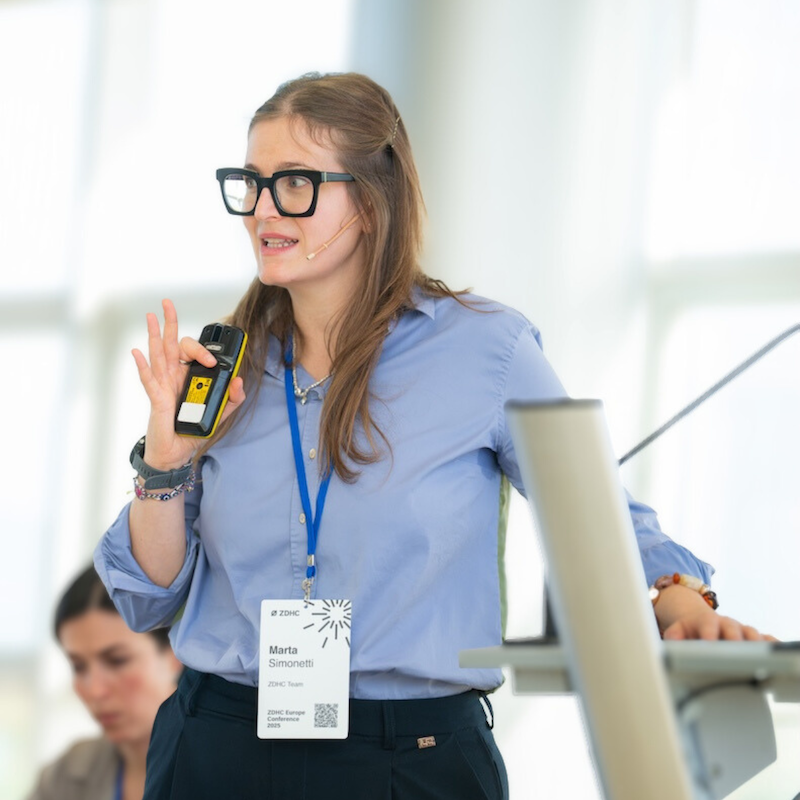
This approach to sharing real-world experiences took a concrete step forwards during the ZDHC Europe Conference 2025 in Alicante. Members of the ZDHC community were invited to bring their case studies, best practices and field experiences to the stage through a structured and transparent selection process.
The objective was not to highlight “best performers”, but to create space for evidence-based stories that demonstrate how the ZDHC Roadmap to Zero Programme is being implemented in practice, providing meaningful insights to the wider community. Each experience offers insight into how different organisations are translating commitment into action, navigating challenges, and contributing to collective progress in diverse operational and regulatory contexts.
What follows is a summary of these experiences, shared with the intention of fostering learning, dialogue and collaboration. By opening the stage to the community in this way, we take another step towards turning individual efforts into collective progress. I encourage you to read them with curiosity and to reflect on how the lessons resonate with your own journey. Even more, I encourage you to consider sharing your own experiences with the community. Every story adds value because every experience helps move us forward.
Case Studies